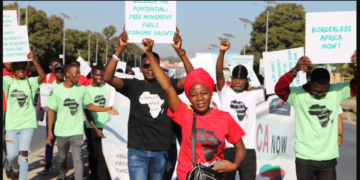


Something big is happening across Afric and it’s being driven by young people who are no longer waiting to be invited into political conversations.
For decades, African politics has been dominated by older political elites, long-standing party structures, and traditional campaign methods. But recently, youth-led movements are beginning to rewrite that script. From protests to online campaigns, and even grassroots political organisations, young Africans are using their voices in ways leaders can’t easily ignore anymore.
Social media has become their main weapon. Platforms like X (Twitter), Instagram, TikTok, and WhatsApp have turned into political arenas where young people organise protests, expose corruption, mobilise voters, and challenge official narratives in real time. Movements like #EndSARS in Nigeria proved how powerful coordinated youth activism can be, drawing global attention and putting real pressure on authorities.
What makes this shift different from the past is structure. Today’s youth movements aren’t just emotional reactions; many are strategic. They are building volunteer networks, creating political education content, organising town halls, and even funding independent candidates. In countries like Senegal, Kenya, and South Africa, youth participation has started influencing voter turnout, political messaging, and party strategies.
Political leaders are beginning to feel that pressure. Campaigns have become more youth-focused, policies are being shaped with young voters in mind, and in some cases, traditional politicians are forced to share space with younger candidates.
The balance of power is slowly changing. Africa’s population is overwhelmingly young, and that demographic reality is finally translating into political influence. It may not be loud everywhere yet, but the message is clear: the next chapter of African politics won’t be written without its youth.


