


Building Your Digital Portfolio
Building Your Digital Portfolio is one of the most important steps you can take as a modern creator, student, freelancer, or professional. Whether you want to stand out in a competitive job market or build authority online, Building Your Digital Portfolio gives you a way to showcase your best work beautifully and professionally. Your digital portfolio becomes your personal stage, your brand introduction, and your proof of skill all in one place.
In today’s world, opportunities often go to people who can demonstrate what they can do, not just talk about it. Building Your Digital Portfolio makes that possible. This guide walks you through every step, from choosing platforms to selecting projects, writing descriptions, designing layouts, and presenting your work with confidence. You will learn how to build something that reflects your strengths, creativity, and growth, making you ready for clients, employers, or collaborators.
This article explores all the essentials in a clear, beginner friendly style so that by the end, Building Your Digital Portfolio will feel easy, exciting, and achievable.
Why Building Your Digital Portfolio Matters
Building Your Digital Portfolio gives you visibility and credibility. While resumes list your achievements, portfolios show the results. People want to see what you can do, how you think, and how you style your work.
A digital portfolio helps you with:
Better job opportunities
Stronger personal branding
Freelance and client visibility
Confidence in your skills
Networking and collaboration
Showcasing growth and creativity
In many industries such as design, writing, photography, video creation, marketing, coding, and teaching, employers expect a digital portfolio. Even if your field is not creative, Building Your Digital Portfolio can still set you apart. The goal is to show your work with clarity and style.
Step 1: Choose the Best Platform for Building Your Digital Portfolio
The platform you choose shapes the look and performance of your portfolio. Fortunately, there are excellent options for beginners and pros. These platforms offer templates, drag and drop editors, hosting, and easy customization.
Here are popular platforms with DoFollow links:
Squarespace
https://www.squarespace.com
WordPress
https://wordpress.com
Behance
https://www.behance.net
Adobe Portfolio
https://portfolio.adobe.com
GitHub for developers
https://github.com
Notion
https://www.notion.so
If you are a designer or visual artist, Behance and Adobe Portfolio work well. If you want a fully personalized site, WordPress or Wix is ideal. For coders, GitHub is essential. Notion is great for multi skill creatives who want an aesthetic, flexible layout.
When Building Your Digital Portfolio, choose a platform that matches your workflow and your skill level.
Step 2: Select Your Best Projects
Your portfolio should not include everything you have done. It should include your strongest work. Think quality over quantity. When Building Your Digital Portfolio, choose projects that represent your skills, creativity, and potential.
For each project, consider:
What goal did you achieve
What problem did you solve
What skills did you use
What results did you deliver
What makes the project unique
For example:
Designers can include logos, app mockups, photography edits
Writers can include blog posts, articles, case studies
Video creators can include film reels, edits, animations
Marketers can include campaigns, analytics reports, ads
Coders can include web apps, GitHub repositories, UI components
Make sure the projects you choose align with the future opportunities you want.
Step 3: Add Clear and Strong Project Descriptions
When Building Your Digital Portfolio, your description is just as important as the visual. Visitors want to understand your process, not just the result.
A project description should include:
An introduction to the project
Your role
The tools you used
Your challenges
Your process
Your outcomes
Any measurable impact
Here is a simple description formula you can follow:
Project name
Objective
My role
Tools
Approach
Results
If you want inspiration, explore the project structure on Behance
https://www.behance.net
Clients and employers love seeing how you think. This helps them trust your work.
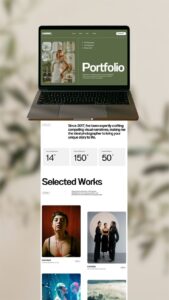
Step 4: Build a Clean and Modern Layout
Your layout influences how people experience your work. A clean layout puts focus on your projects without distractions.
A strong portfolio layout includes:
A simple homepage
A clear menu
High quality images
Readable text
Consistent spacing
Brief introductions
Proper categories
Contact information
When Building Your Digital Portfolio, keep it simple. Your work should shine naturally. Do not crowd the page. Use white space to make each project stand out.
You can explore clean templates on Wix
https://www.wix.com
or on Squarespace
https://www.squarespace.com
These platforms give you modern and professional designs instantly.

Step 5: Add a Strong About Page
Your portfolio is not just about your work. It is also about you. Your About page helps visitors connect with you personally and professionally.
An effective About page includes:
A short introduction
Your skills
Your interests
Your background
Your goals
A friendly photo
Your contact links
Keep the tone natural and warm. Make it easy for visitors to know who you are and what you offer. Building Your Digital Portfolio requires balancing creativity with personality.
Step 6: Include Contact Details and Social Links
Visitors need an easy way to reach you. Add a clear contact page and social media links.
Your contact details may include:
Email
Phone number
LinkedIn
Instagram
Twitter or X
GitHub
Portfolio email form
LinkedIn
https://www.linkedin.com
Your contact page should be simple. The goal is to encourage opportunities and collaboration.
Step 7: Keep Improving Your Portfolio Over Time
Building Your Digital Portfolio is not a one time task. It evolves as you grow. The more you learn and create, the more your portfolio should improve.
Ways to update your portfolio:
Add new projects
Remove outdated work
Improve design
Rewrite descriptions
Update your skills
Add testimonials
Refresh your About page
Always ask yourself:
Does my portfolio represent who I am today
If the answer is no, update it.
Continuous improvement keeps your portfolio fresh and competitive.
Step 8: Optimize Your Digital Portfolio for Visibility
Your portfolio is more powerful when it is discoverable. Simple optimization helps people find your work across the web.
Tips for optimizing:
Use keywords in project titles
Name your images clearly
Add meta descriptions on your site
Write alt text for images
Share your portfolio on social media
Link your portfolio in your email signature
If your platform allows it, enable analytics to understand how visitors interact with your site.
Google Analytics
https://analytics.google.com
Analytics help you learn what people love and what needs improvement.
Step 9: Add Testimonials and Social Proof
Testimonials build trust. When people see reviews from clients or collaborators, they feel more confident in your work.
Testimonials can include:
Client reviews
Teacher or mentor feedback
Colleague endorsements
Social media comments
Star ratings from freelance platforms
You can collect testimonials using LinkedIn recommendations
https://www.linkedin.com
Social proof helps your portfolio feel credible and professional.
Step 10: Present Yourself as a Brand
Your digital portfolio is part of your personal brand. Building Your Digital Portfolio means thinking about how you want to be seen.
Elements of personal branding include:
Your tone of voice
Your visual style
Your logo if you have one
Your color palette
Your consistency
Your story
When your portfolio feels cohesive, visitors remember you more clearly.
Final Thoughts
Building Your Digital Portfolio is a journey that helps you grow as a creator and professional. It strengthens your confidence, presents your skills beautifully, and opens doors to new opportunities. When done well, Building Your Digital Portfolio becomes a powerful tool that expresses your identity and talent in a clean, modern, and inspiring way.
By choosing the right platform, selecting your best work, writing strong descriptions, and designing a clean layout, you take control of your future. As technology and creativity evolve, Building Your Digital Portfolio will continue to be one of the most important steps for anyone who wants to stand out, attract opportunities, and show what they can do.


