

Travel Budgeting 101 is the foundation of stress free travel. Whether you’re planning a weekend getaway or a month long adventure, understanding how to manage your travel money can make the difference between worrying about expenses and enjoying every moment. In this guide, you’ll learn how Travel Budgeting 101 works from the basics to the advanced strategies seasoned travelers use but rarely talk about.
This is your beginner to pro blueprint for planning, calculating, saving, and traveling confidently without going over your budget.
What Travel Budgeting 101 Really Means
Travel Budgeting 101 is not just about cutting costs. It is about making your trip intentional, structured, and financially comfortable. It helps you predict your expenses, avoid surprise spending, and make smarter decisions before and during travel.
Many travelers assume that budgeting is about saying no. In reality, Travel Budgeting 101 gives you the freedom to say yes to the experiences you care about most.
Why Travel Budgeting Matters More Than You Think
Here are reasons why mastering Travel Budgeting 101 is essential for every traveler.
You avoid financial stress
Money worries can ruin any trip. A good budget gives you clarity and confidence.
You reduce unexpected costs
Things like baggage fees, local taxes, unexpected transport, and food costs add up quickly.
You get more value for your money
Budgeting helps you prioritize the things that matter most to you.
You become a more organized traveler
Your decisions become clearer because you’re guided by a plan.
Most importantly
Travel Budgeting 101 makes travel feel possible, achievable, and enjoyable even with limited resources.
Step 1: Map Out Your Total Trip Cost
Your first step in Travel Budgeting 101 is to calculate the true cost of your trip. Most beginners forget key expenses like airport transfers, tips, SIM cards, and daily transportation.
Here are the major categories you must include.
1. Transportation
This includes all costs related to getting to your destination and moving around once you arrive.
Examples
Flights
Airport transfers
Local taxis
Metro or bus passes
Car rentals
Fuel
Tip
Use Google Flights to track airfare trends.
Link: Google Flights
2. Accommodation
Compare costs across budget, mid range, and premium stays.
Things to include
Rooms
Taxes
Resort or service fees
Security deposits
Tip
Check reviews and price breakdowns before booking.
Link: Booking
3. Food and Drinks
Travel Budgeting 101 becomes easier when you estimate your daily food budget realistically.
Consider
Breakfast
Lunch
Dinner
Snacks
Bottled water
Coffee or drinks
Professional tip
Check menus online before visiting restaurants to avoid surprises.
4. Activities and Experiences
These vary by destination but should always be included.
Examples
Museum tickets
Excursions
Tours
Adventure sports
Cultural experiences
Helpful for planning
Lonely Planet guides provide price estimates.
Link: Lonely Planet
5. Travel Essentials
Often forgotten by beginners.
This may include
Travel insurance
SIM card or roaming
Luggage fees
Visa fees
Vaccinations
Toiletries
Travel insurance comparison
Link: Travelex Insurance
6. Emergency and Miscellaneous Costs
No travel budget is complete without buffers.
Set aside 10 percent for
Unexpected fees
Medical issues
Sudden transport needs
Lost items
Price changes
This small buffer prevents big travel headaches
Step 2: Build Your Daily Travel Budget
Travel Budgeting 101 recommends breaking your trip down into daily costs. This makes the entire trip more manageable and prevents overspending.
Here is a simple way to calculate your daily budget.
Total Trip Cost ÷ Number of Days = Daily Budget
Example
A five day trip costing 500 dollars gives you a daily budget of 100 dollars.
But Travel Budgeting 101 recommends going deeper.
Create a daily spending plan for
Food
Transport
Experiences
Shopping
Buffer
This gives you clarity and helps you monitor your spending effortlessly.
Step 3: Use Smart Travel Budgeting Tools
Travel Budgeting 101 becomes much easier when you use technology. Here are beginner friendly tools used by pro travelers.
1. Trail Wallet
Simple expense tracking
Great for daily budgets
Ideal for long term travel
Link
Trail Wallet App
2. Splitwise
Perfect for group trips
Keeps track of who owes what
Reduces misunderstandings
Link
Splitwise3. Google Sheets Travel Budget Template
Beginners love this because it’s easy and customizable.
Google Sheets
4. XE Currency
Live currency conversions
Helpful when visiting multiple countries
Using apps is part of Travel Budgeting 101 because they bring structure, reduce errors, and help you track spending in real time.
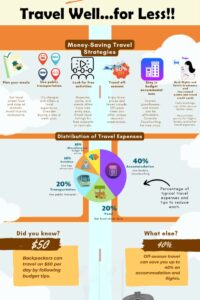
Step 4: Identify Where You Can Save
Travel Budgeting 101 is not about cutting everything. It’s about spending smart.
Here are areas where you can save without reducing your experience.
1. Travel off season
Cheaper flights
Lower accommodation costs
Less crowds
2. Use public transportation
Buses, trains, and metros are reliable in many cities.
3. Eat like a local
Street food and local eateries are affordable and authentic.
4. Book experiences in advance
Tours and tickets are usually cheaper online.
5. Stay in alternative accommodations
Guesthouses
Hostels
Homestays
Apartments
These reduce costs significantly.
Step 5: Master Pro Level Budgeting Strategies
This is where Travel Budgeting 101 becomes Travel Budgeting Pro.
1. Use fare alerts
Sites like Skyscanner notify you when prices drop.
Link
Skyscanner
2. Optimize your travel points
Use credit card points to reduce flight and hotel costs.
3. Choose destinations based on your budget
For example
Eastern Europe costs less than Western Europe
Southeast Asia is cheaper than the Middle East
4. Track prices for weeks before booking
Flights and hotels follow patterns. Observing these helps you avoid overpaying.
5. Carry a second debit or credit card
A lost card can ruin your trip. A backup protects your budget.
Real Example of a Travel Budget
Here’s a sample budget from Travel Budgeting 101 for a five day trip in $
Flights 250$
Hotel 150$
Food 100$
Transport 40$
Activities 60$
Miscellaneous 20$
Buffer 30$
Total 650$
Daily Budget 130$
This type of budget gives you control.
Travel Budgeting 101: Common Mistakes to Avoid
Forgetting visa fees
Some destinations have entry charges beginners overlook.
Ignoring local taxes
Hotels often add taxes not included in the booking price.
Not checking baggage rules
Luggage fees can be high.
Underestimating transportation
Local taxis can cost more than expected.
Forgetting to track spending
Even small amounts add up fast.
Travel Budgeting 101 eliminates these issues when done properly.
Final Thoughts
Travel Budgeting 101 is more than planning numbers. It is a life skill that gives you confidence, freedom, and clarity every time you travel. Whether you’re on a tight budget or planning a luxury getaway, your budget becomes your compass.
With the steps, tools, and strategies you’ve learned here, you can now plan any trip with confidence and enjoy the experience fully.


