
How Technology Is Changing Human Communication
Human communication has never been static. Language, symbols, and social norms have always evolved alongside tools. What feels different today is not that communication is changing, but how quickly and deeply technology is influencing the way people connect, interpret meaning, and relate to one another.
The shift is subtle. It does not arrive as a single invention or moment. Instead, it shows up in small daily habits. Shorter messages. Faster replies. Fewer pauses. More screens present during conversations. Over time, these changes accumulate and reshape how humans express emotion, handle conflict, and experience closeness.
Understanding how technology changing human communication works requires looking beyond devices and into behavior, psychology, and culture.
Communication before constant connectivity
For most of human history, communication required shared time and space.
Letters took days or weeks. Phone calls demanded presence. Conversations were often uninterrupted. Silence was normal. Delays were expected.
These constraints shaped patience, attentiveness, and depth. People adjusted expectations around response time and availability because alternatives did not exist.
Technology removed many of those limits. Speed became default. Availability became assumed.
Speed has replaced pause
One of the most profound shifts is the disappearance of waiting.
Messages arrive instantly. Read receipts confirm delivery. Typing indicators signal presence. Silence is now interpreted, not neutral.
This changes emotional dynamics. A delayed response can feel like rejection. Immediate replies feel like obligation. Communication becomes performative rather than organic.
Researchers at Stanford University have noted that constant digital responsiveness increases social pressure and cognitive load.
https://stanford.edu/news/technology-and-attention
Speed alters not just how we communicate, but how we feel while communicating.
Shorter messages, thinner meaning
Texting, messaging apps, and social platforms reward brevity.
Abbreviations, emojis, and reaction buttons compress expression. While efficient, they also flatten nuance. Tone is harder to convey. Context is easily lost.
A sentence that would sound gentle in person can feel harsh in text. Humor misfires. Ambiguity increases.
This does not mean digital communication is inferior, but it requires new interpretive skills that many people are still developing.
Emojis as emotional scaffolding
Emojis emerged to fill emotional gaps.
They soften statements, signal intent, and replace facial expressions. In many ways, they are a response to the limits of text-based interaction.
Linguists have observed that emojis function as emotional punctuation rather than decoration.
https://www.theguardian.com/technology/emoji-language-communication
However, reliance on symbols can also simplify emotional expression. Complex feelings are reduced to icons, which may limit deeper articulation over time.
Tone flattening and misunderstanding
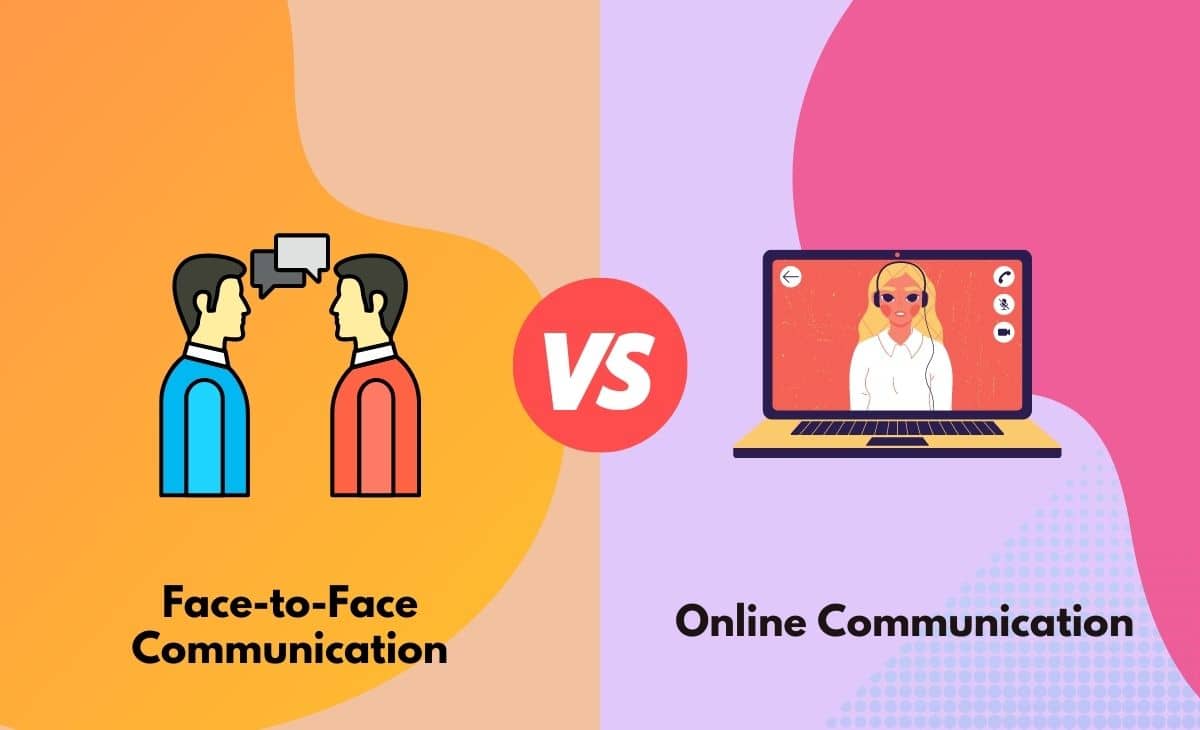
In face-to-face communication, tone, body language, timing, and context carry meaning.
Digital channels strip many of these cues. As a result, messages are interpreted more literally or emotionally than intended.
This contributes to online conflict. Misunderstandings escalate faster. People assume intent rather than seek clarification.
Studies from the American Psychological Association suggest that reduced nonverbal cues increase misinterpretation and emotional reactivity.
https://www.apa.org/monitor/digital-communication
Technology changing human communication does not eliminate emotion. It redistributes it, often unevenly.
Multitasking during conversations
Another shift is divided attention.
Phones are present during meals, meetings, and intimate moments. Even when not used, their presence signals potential interruption.
This phenomenon, sometimes called “phubbing” (phone snubbing), affects perceived connection. People feel less heard when devices are visible.
Research from the University of Essex found that phone presence alone reduces empathy and conversation quality.
https://www.sciencedirect.com/science/article/pii/S0747563214000429
Communication quality depends not only on words, but on attention.
The rise of asynchronous relationships
Technology enables relationships to persist without synchronized time.
Friends exchange messages across time zones. Colleagues collaborate without meeting. Families stay connected through updates rather than conversations.
This flexibility expands networks but can weaken depth. Relationships become maintained rather than experienced.
Asynchronous communication is efficient, but it risks turning connection into maintenance tasks.
Parasocial communication becomes normal
Social platforms blur the line between audience and relationship.
People feel connected to creators, influencers, and public figures who do not know them. This one-sided communication can feel intimate without reciprocity.
While parasocial relationships are not new, technology amplifies them at scale. Algorithms reinforce familiarity. Regular content creates illusion of closeness.
This affects expectations of real relationships, which require effort, compromise, and unpredictability.
Conflict changes form online
Digital communication alters how conflict unfolds.
Messages can be drafted, edited, and sent without immediate feedback. This can reduce impulsive reactions but also enable passive aggression.
Public platforms turn private disagreements into performances. Likes and comments reward outrage. Resolution becomes secondary to visibility.
Conflict resolution skills developed in person do not always transfer online, creating friction and misunderstanding.
Silence becomes uncomfortable
Before constant connectivity, silence was neutral.
Now silence often feels like absence or neglect. People check devices to avoid quiet moments. Conversations fill every pause.
This reduces reflection and deep listening. Communication becomes continuous but shallow.
Psychologists note that tolerance for silence correlates with emotional regulation and intimacy.
https://www.psychologytoday.com/us/articles/silence-and-connection
Technology changing human communication often replaces silence with stimulation, altering inner and outer dialogue.
Voice communication declines
Despite advances in audio and video, voice calls decline in favor of text.
Many people report anxiety around phone calls. Text allows control, editing, and distance. Voice requires immediacy and vulnerability.
This shift affects emotional literacy. Tone recognition, spontaneous response, and real-time negotiation weaken with disuse.
Voice communication carries richness that text cannot fully replace.
Video calls and emotional fatigue
Video communication bridges distance but introduces new strain.
Self-view increases self-consciousness. Delayed cues disrupt rhythm. Cognitive load rises as the brain processes fragmented signals.
This contributes to fatigue rather than connection, especially when overused.
The National Institutes of Health have linked prolonged video communication to mental exhaustion.
https://www.ncbi.nlm.nih.gov/pmc/articles/PMC7649937/
Language evolves faster
Memes, slang, and phrases spread instantly.
Language becomes fluid, contextual, and platform-specific. Generational gaps widen as vocabulary shifts rapidly.
This can be playful and creative, but it also fragments shared understanding.
Common language anchors social cohesion. Rapid evolution challenges that stability.
Communication becomes measurable
Likes, views, replies, and engagement metrics quantify interaction.
People internalize these signals as social feedback. Communication becomes evaluated rather than experienced.
This shifts motivation. Messages are crafted for reaction rather than connection.
When communication is measured, authenticity can suffer.
Always-on availability reshapes expectations
Technology collapses boundaries between work, family, and personal time.
Messages arrive at all hours. Responses are expected quickly. Availability becomes default.
This creates stress and erodes intentional communication. Conversations become transactional.
Healthy communication requires boundaries as much as access.
Adaptation happens unevenly
Not everyone adapts at the same pace.
Generational differences emerge. Cultural contexts matter. Access and literacy vary.
This creates friction when expectations differ. Miscommunication often stems from mismatched norms rather than intent.
Understanding this reduces blame and increases empathy.
Benefits should not be ignored
Technology also expands communication.
It reconnects distant families. Amplifies marginalized voices. Enables collaboration across borders.
The goal is not to reject technology, but to understand its influence and use it intentionally.
Balanced communication blends efficiency with depth.
Relearning presence
Presence is not technological. It is behavioral.
Turning off notifications. Making eye contact. Listening without interruption. Allowing pauses.
These practices counterbalance the pull of constant connectivity.
Technology changing human communication does not remove agency. It challenges it.
Designing for better communication
Platforms shape behavior through design.
Defaults matter. Features encourage speed, sharing, or reflection.
Ethical design considers communication quality, not just engagement.
The Center for Humane Technology advocates for design that supports human connection.
https://www.humanetech.com
Teaching digital communication literacy
Communication skills must evolve alongside tools.
Teaching tone awareness, boundary setting, and platform norms becomes essential.
Digital literacy now includes emotional literacy.
Without guidance, people learn through mistakes.
Choosing intentional communication
Not every message needs to be instant.
Not every thought needs to be shared.
Choosing the right medium for the message restores depth. Some conversations belong in person. Others need voice. Some are fine in text.
Intentionality rebuilds meaning.
How technology changing human communication shapes the future
As tools continue to evolve, communication will continue to shift.
The risk is not change itself, but unconscious change.
Awareness allows choice. Choice preserves humanity within systems.
The future of communication depends less on technology and more on how humans decide to use it.

Final reflection
Communication defines relationships, culture, and identity.
Technology changes the surface, but values shape the core.
When speed replaces listening, connection weakens. When efficiency replaces empathy, meaning thins.
By slowing down, setting boundaries, and choosing presence, humans can ensure that communication remains human, even as tools evolve.
Frequently Asked Questions
Is digital communication worse than face-to-face communication
No. Each has strengths and limitations. Balance matters.
Why do misunderstandings happen more often online
Reduced nonverbal cues and context increase ambiguity.
Can technology improve communication
Yes, when used intentionally and designed responsibly.
How can people communicate better with technology
By choosing appropriate channels, setting boundaries, and practicing active listening.
Is this shift reversible
Habits can change. Awareness is the first step.