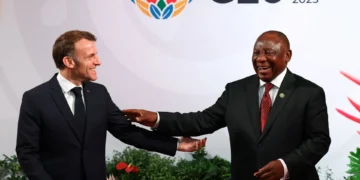


Last month’s G20 summit in Johannesburg was historic, the first ever held in Africa.
South Africa, as host, pushed a bold agenda: think “solidarity, equality and sustainability ” translating to renewed pressure on richer countries to help in debt relief, climate action, fair trade, and more support for developing economies.
For many countries — especially those in Africa and the Global South, this could mean more bargaining power and a louder voice in shaping global rules. It’s a shift from a few big powers dominating to a more balanced global table.
Despite a major drama; the leader of one powerful member (the U.S.) skipping the summit altogether, the G20 leaders still managed to adopt a 122-point declaration that touched on many of these big issues.
Key agreements included:
-
Support for debt relief / financial reforms for low- and middle-income countries; This is huge for nations saddled with unsustainable debt — a lifeline, potentially.
-
Commitments to climate action & clean energy transition; including promoting renewable energy, sustainable use of critical minerals, and better handling of global environmental challenges.
-
Pledges around inclusive development and equity; recognising inequalities within and between countries, and pushing for policies that help narrow those gaps, including better social protection systems, women’s empowerment, and fairer global trade rules.
-
A renewed emphasis on multilateralism and global cooperation; essentially saying world problems require global teamwork. Even though some big powers skipped, many others stuck around and backed the joint declaration.
The world is trying to catch up on global AI governance — but not everyone is ready
In the wake of rapid tech advances, many countries are pressing for rules around artificial intelligence. At the same time, there’s growing concern about some nations being left behind in these discussions.
What makes this important: How AI gets regulated globally will shape job markets, privacy standards, national security, and economic competitiveness, and that will affect countries everywhere, Nigeria included.
Rising tensions: global diplomacy is being tested hard
Across multiple hotspots, global alliances and rivalries are being tested: some countries are pushing harder for influence, while others butt heads over policy, security, trade and regional leadership.
From shifting alliances to debates over intervention and global governance, there’s a feeling that the rules of international politics are still being rewritten.
🌍 What This Means — Why It Matters (for Africa, Nigeria, and You)
Because the summit was held in Africa, it gave the continent, long marginalised in global diplomacy, a spotlight. This isn’t just symbolic; it’s a shift in how global economic and environmental decisions might be shaped.
-
With the G20 spotlight on Africa now, countries like Nigeria have a chance to shape global economic and development policies — including debt relief, infrastructure support, and fairer trade.
-
As AI becomes more regulated globally, there might be opportunities (or challenges) for tech-savvy youths, startups, and digital economies across Africa.
-
Global uncertainty reshuffles the geopolitical deck: countries may need to build smarter alliances, adapt to shifting trade flows, or re-think how they negotiate on security, energy, or trade.
The summit signals a rebalance in global influence. The Global South is now being heard, and global institutions may begin to reflect their concerns more seriously. That could reshape trade, investment, climate action, and development funding worldwide.
⚠️ What’s Still Uncertain — What to Watch Out For
-
Not every G20 member showed up — some big powers skipped or sent lower-level reps. That exposes strain in unity and raises questions about how effective follow-through will be.
-
Agreements sound good on paper. But real change will depend on implementatio; will there be actual debt restructuring, climate-finance flow, and fairer trade for the Global South — or does this just stay as promises?
-
With shifting global geopolitics, pressure from powerful states may resist reforms that favour developing countries. That tension could slow or block progress.


