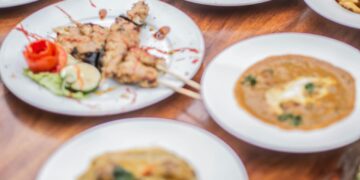


America has always been a melting pot, but in 2025, the phrase has never been more literal. From street food pop-ups to high-end tasting menus, global flavors are becoming the heartbeat of modern American cuisine. What used to be niche, Korean street snacks, West African soups, Filipino desserts, Middle Eastern spice blends, has become part of everyday eating, reshaping what “American food” even means.
A Thirst for Adventure on the Plate
American diners today want more than comfort food they want stories, culture, and experiences. This craving for adventure has pushed chefs and home cooks to explore ingredients far beyond the borders of traditional American cuisine.
Restaurants are blending techniques and flavors like never before like Korean-Mexican tacos, Indian-inspired fried chicken, Thai barbecue, West African jollof and Japanese-inspired smashburgers. It’s not fusion for the sake of it, it’s an intentional celebration of multicultural food traditions.
New voices in the food world have become some of the biggest trendsetters. Chefs with roots in Nigeria, South Korea, Mexico, Peru, Lebanon, and India are shaping fresh interpretations of beloved dishes.
Social media has amplified these creators:
TikTok chefs, YouTube cooks, and Instagram food bloggers often showcase traditional recipes in fun, accessible ways, making global flavors feel familiar and inviting. Once viewers get hooked on a recipe, supermarkets follow, expanding their shelves with ingredients people previously considered “specialty.”
Walk through any major grocery chain in 2025 and you’ll spot items that were once considered exotic like Gochujang, Harissa, Tahini, Yuzu, Curry leaves, Cassava flour, Jollof seasoning blends, Japanese kewpie mayo, Kimchi, Plantain chips and Dulce de leche. What was once hidden in the international aisle is now mixed into everyday sections, a clear sign that these flavors have become part of mainstream shopping habits.
Fast-Casual Dining Gets a Global Makeover
Fast-casual chains, the trendsetters of American food culture are also embracing global menus. Across the U.S., brands are introducing:
-
Caribbean jerk bowls
-
Mediterranean grain plates
-
Vietnamese-inspired wraps
-
West African peanut-based sauces
-
Latin American street snacks
This shift makes global flavors more accessible to diners who may never visit a fine-dining spot but want something fresh, bold, and exciting.
One of the most exciting outcomes of this trend is the rise of unapologetic fusion cooking. Instead of labeling foods as “authentic” or “traditional,” many chefs are confidently blending cultures, ingredients, and techniques to create something entirely new.
Think:
-
Sushi burritos
-
Birria ramen
-
Korean corn dogs
-
African-American + Asian BBQ mashups
-
Mexican-Italian pasta hybrids
These dishes are powered by curiosity and diners love them because they represent the cultural richness of the modern U.S.
Why Global Flavors Are Here to Stay
The shift isn’t a passing fad. It reflects deeper cultural changes:
-
A more diverse population introducing their culinary traditions
-
Social media making global cuisine relatable and easy to try
-
Younger generations being more open to spicy, bold, and experimental foods
-
Grocery stores offering wider global ingredient options
-
Restaurants reinventing classics with new flavor profiles
In short, America isn’t just “trying” global flavors, it’s adopting them into everyday food culture.


