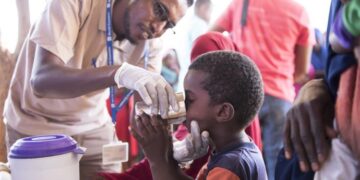


The Kwara State Government has announced a sweeping deworming exercise targeting 776,896 school-aged children (aged 5 to 14 years) in 15 local government areas (LGAs) across the state.
The program, flagged off in early December 2024, is aimed at those in public schools across the affected LGAs.
According to the state’s Health Commissioner, the effort is part of a broader drive to address neglected tropical diseases (NTDs) including worm infestations caused by intestinal parasites and water-borne infections like schistosomiasis (commonly called “snail fever”).
By initiating this mass administration of deworming tablets, the government aims to improve children’s health and protect them from the long-term effects of parasitic worms, which may include stunted growth, anemia, and impaired cognitive development.
Why It Matters: The Stakes for Children and Community
Children afflicted by worm infestations or related parasitic diseases often suffer in silence. Without visible symptoms, many may struggle with low energy, poor concentration, frequent illnesses, or under-nutrition.
For pupils in Kwara, particularly those in rural or under-resourced areas the deworming campaign represents an important health intervention. By reducing the burden of parasitic infections, the initiative can potentially contribute to:
-
Better overall health and stronger immunity
-
Improved school attendance and academic performance (healthy children are more likely to learn effectively)
-
Reduced risk of chronic disease, malnutrition, or long-term developmental issues
Public-health research from similar contexts shows that regular deworming especially when coupled with sanitation and hygiene education can drastically reduce prevalence of worms among school children. For instance, past deworming efforts in endemic areas of the state targeted tens of thousands of children under similar programs.
Given the large scale (over three-quarters of a million pupils), this campaign could mark one of the most ambitious child-health interventions Kwara has undertaken in recent years.
According to the official announcement, this deworming effort is a joint collaboration: the state government, local health agencies, schools, and supporting partners (both governmental and non-governmental) are involved. The government has also emphasized that deworming alone is not enough. The program will be accompanied by efforts to improve sanitation, promote good hygiene, ensure access to clean water, and raise awareness about how parasitic infections spread.
Officials have appealed to parents, guardians, school administrators and community leaders to support and encourage children to participate underlining that the success of the program depends on collective cooperation.
Health Challenges and Education in Kwara
The need for such a large-scale deworming campaign doesn’t come out of nowhere. Like many states in Nigeria, parts of Kwara face persistent challenges with parasitic diseases, waterborne illnesses, poor sanitation, and inadequate access to healthcare especially for marginalized and rural communities.
Moreover, ensuring children’s health is part of broader state efforts to improve education outcomes. Kwara has recently championed reforms like digital learning initiatives and scholarship programs to expand educational access and quality. By integrating health interventions like deworming into the school calendar, authorities hope to create a safer, healthier environment where learning can thrive.
If well-executed, this deworming campaign could yield several important benefits:
-
A noticeable drop in worm infections, intestinal ailments, and related sickness among schoolchildren
-
Improved nutrition and physical health for pupils which can translate to better energy, growth, and overall well-being
-
Higher school attendance rates and improved academic performance, as healthier children are more likely to engage and learn
-
Long-term reduction of parasitic disease burden in the community, especially as hygiene education and sanitation improvements accompany the deworming
Additionally, this initiative could help ease healthcare costs for families, reduce pressure on local clinics, and promote public-health awareness at grassroots levels.
Challenges & What It Will Take to Succeed
While the plan is commendable, its success depends on addressing several potential challenges:
-
Coverage and compliance: Reaching nearly 777,000 children across 15 LGAs is logistically demanding. Ensuring every eligible child gets the deworming treatment, and that parents consent, will require careful coordination and community buy-in.
-
Sustained hygiene and sanitation: Deworming provides a temporary fix. Without improvements in water supply, sanitation, and hygiene education, children risk re-infection.
-
Follow-up and monitoring: To ensure lasting impact, health authorities will need monitoring mechanisms, periodic re-treatment, and health education to track progress and forestall relapse.
-
Awareness and stigma: Educating communities to understand the importance of deworming and combating misconceptions or stigma around worms will be crucial.
A Bold Step for a Healthier Generation
The decision by Kwara State to deworm 776,896 schoolchildren is bold, ambitious, and worthy of applause. It reflects a growing understanding that education and health go hand-in-hand healthy children learn better, progress more, and contribute to stronger, resilient communities.
If implemented properly, this campaign could significantly improve the lives of hundreds of thousands of children, giving them a chance at better health, better education, and brighter futures.


