

On December 8, 2025, Nigeria’s Federal Government (FG) took a bold step in reshaping the nation’s education landscape. Instead of rolling out yet another set of policies that gather dust, the government is focusing on implementation, a move many hope will finally bridge the gap between policy and practice.
Implementation Over Paperwork
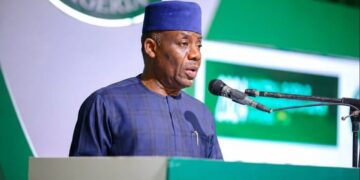
Education Minister Tunji Alausa made it clear: policy formulation is only 10% of the work, the real magic happens in implementation. The new model is simple yet revolutionary, 80% implementation, 20% policy making. State commissioners will lead the charge, supported by the federal government’s technical and financial resources. The goal: measurable, tangible results across Nigeria’s 36 states.
The Policies You Should Know
The FG unveiled three new national education policies, each targeting a critical area in Nigerian schools:
-
Revamped National Teachers’ Policy
Teachers are the backbone of education. This updated policy aims to upgrade teacher competencies, provide continuous professional development, and improve teaching quality nationwide. -
National Policy on Drug and Substance Abuse in Schools
For the first time, a federal-level framework addresses substance abuse in secondary and tertiary institutions. It introduces counseling, behavioral support, and measures for repeat offenders, creating safer and healthier learning environments. -
Policy Focused on Effective Education Delivery
While details on the third policy are still emerging, it promises to tackle gaps in current education practices, ensuring that reforms are actionable rather than just theoretical.
Why This Matters
-
For Teachers: Enhanced training programs mean better teaching skills and professional growth.
-
For Students: Safer schools, better learning outcomes, and support systems for at-risk students.
-
For State Governments: Responsibility for implementation is a challenge but also an opportunity to innovate locally.
The success of these policies will hinge on how effectively states adopt and implement them. Without proper monitoring and resources, even the best policies can fail.
Moving Forward
Nigeria’s education sector has long suffered from “policy fatigue” lots of plans, little action. With the new approach, the FG is signaling a shift from words to results. If implemented well, this could mark the beginning of a new era where education policies don’t just exist on paper, but actually transform lives.
The coming months will be crucial. Parents, teachers, and students alike will be watching closely to see if these reforms deliver on their promise.


