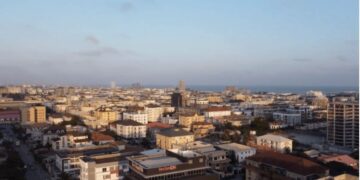


If you’ve been watching real estate trends in Lagos lately, Oniru Estate has quietly turned into one of the hottest and most valuable neighborhoods in the city. Recent reports show that property values in Oniru have surged by over 300 percent in just five years a dramatic transformation fueled by infrastructure upgrades, improved security, and growing demand from affluent buyers and renters.
According to data from an estate surveying firm, what used to be standard pricing in 2020 has nearly quadrupled across different property types:
-
A 2 bedroom apartment that once rented for ₦2.5–₦4 million per year now goes for ₦8–₦10 million.
-
A 4 bedroom townhouse that sold for ₦80–₦90 million in 2020 is now fetching ₦425–₦550 million.
-
Land prices have similarly soared: what was ₦150,000–₦250,000 per square metre now sells for over ₦1.2 million per square metre.
These leaps aren’t accidental. Since 2020, when Oba Abdulwasiu Omogbolahan Lawal (Abisogun II) ascended the throne of the estate’s chieftaincy, Oniru’s administration has launched a series of improvements: access control, increased security patrols, installation of proper street lighting, commissioning of a local fire station, regular cleaning and maintenance of streets, and enforcement of building and planning regulations.
Impact on Oniru and Lagos real estate
Oniru isn’t just becoming more expensive, it’s evolving into a full fledged luxury enclave. What was once seen as a fringe extension of Victoria Island is now attracting high end residents, investors, and developers. The improvements in security, infrastructure, and amenities make it attractive for both long term residents and those seeking rental income or capital appreciation.
In a broader context, BuyLetLive, a Nigerian real estate analytics firm recently identified Lagos (including areas like Oniru) as among the states with the highest property price growth in 2024.
For prospective investors: Oniru demonstrates the kind of rapid value appreciation that real estate in Lagos can yield when location, management, infrastructure, and demand align. But with steep prices now the norm, entering the market requires bigger capital than a few years ago.


